Joshua Dirga
Co-Founder and CTO at Alora · Cornell CS
Selected work
I turned one client into a company.

Alora · Co-Founder and CTO
I lead engineering on a harness that lets companies put their own data to work with AI. Three active clients, three developers on my team.
I hacked our face login 66.5% of the time.

GoTo Financial · Data Science Intern
I red teamed the face verification system to find where it broke, then helped make it stronger. I also worked on the company's AI customer service bot.
I shipped an iOS app for couples.

Double Chin · Solo Developer
A private daily photo just for two, built for people in long distance relationships. Live on the App Store since July 2026.

I built a language game you play by mixing cards.

meramu · Solo Developer
Combine illustrated cards to discover new words in any of 50 languages. Live on the App Store since September 2026.
Google PlayComing soon
I traced the real impact of climate research.
Cornell Systems Engineering · Undergraduate Researcher
I trace the path from climate patents to real deployment to power sector emissions, to see where innovation actually cuts carbon in the energy sector.
I taught Cornell students to ship a backend.

Cornell AppDev · Backend Course Instructor
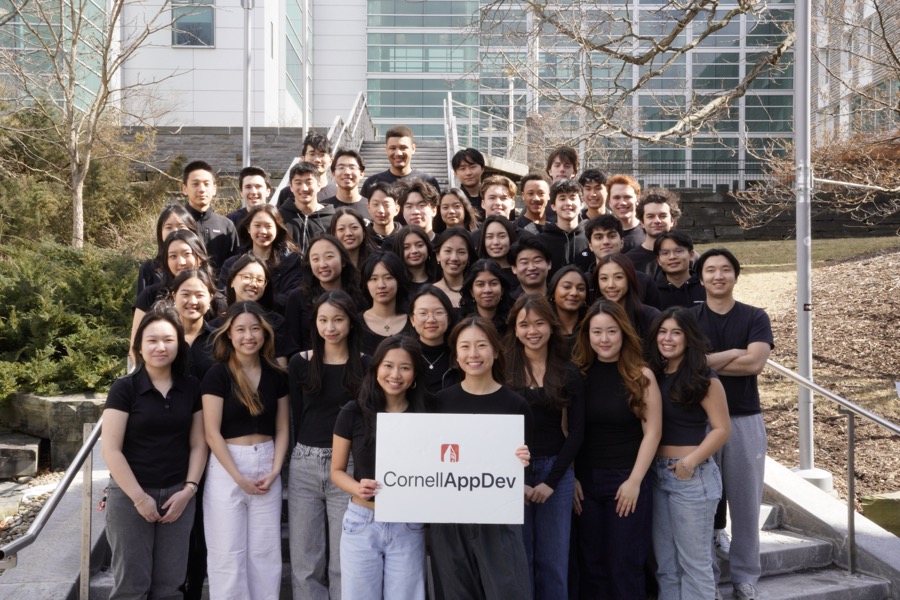
I co-taught Intro to Backend Development, seven weeks from routes and databases to Docker and deployment. Every lecture is on YouTube.
Experience
Research
A climate patent is only worth as much as the power it eventually cleans up. I built a 30 year panel that follows the whole chain, from patents to real deployment to power sector emissions, to measure where innovation actually cuts carbon in the energy sector.
One result from the panel: the red line is what the 42 countries actually emitted, the dashed line is what they would have emitted if the renewable share had stayed frozen at its 2000 level of 16.3%. The gap is the carbon that clean energy deployment avoided, about 2,990 Mt in 2023 and 19,936 Mt over the period. Sources: OWID generation, EDGAR emissions.
Recognition
- 2026 Cornell Undergraduate Research Award
- 2025 CS 4620 Standout Project
- 2024 Big Red Hacks · 2nd place for Nocturne
- 2024 RCareWorld Hackathon · 1st place
- 2023 Valedictorian
- 2023 Honors Diploma in CS and Physics
Beyond
Indonesian Association at Cornell
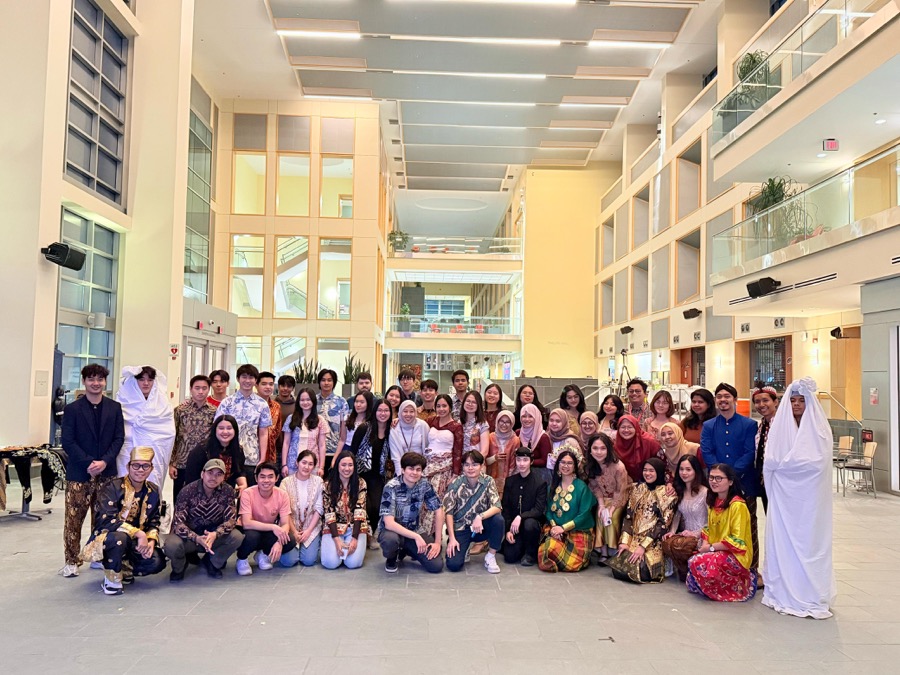
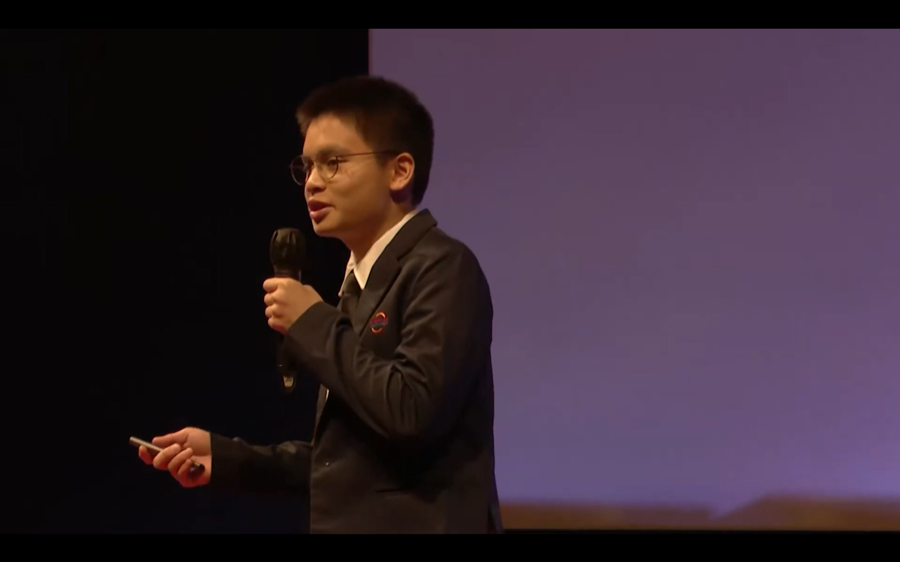
Former Co-President. Led IndoNight and hosted Indonesia's Vice Minister on campus.
Backend Course Instructor
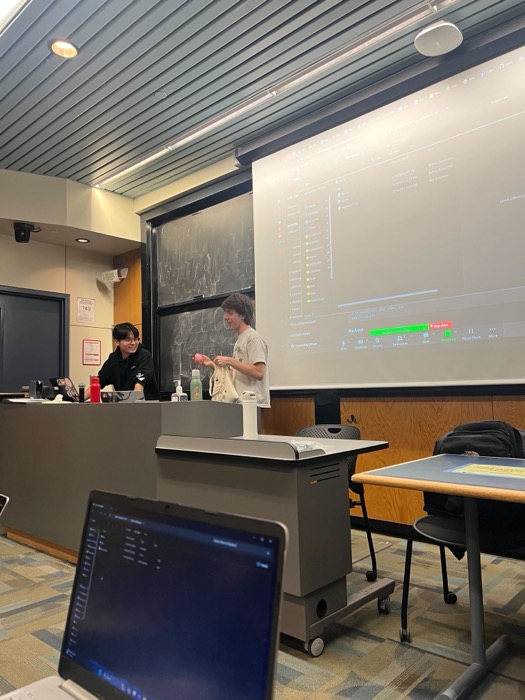
Co-taught Cornell AppDev's backend course. Lectures are public: Fall 2025 and Spring 2026.
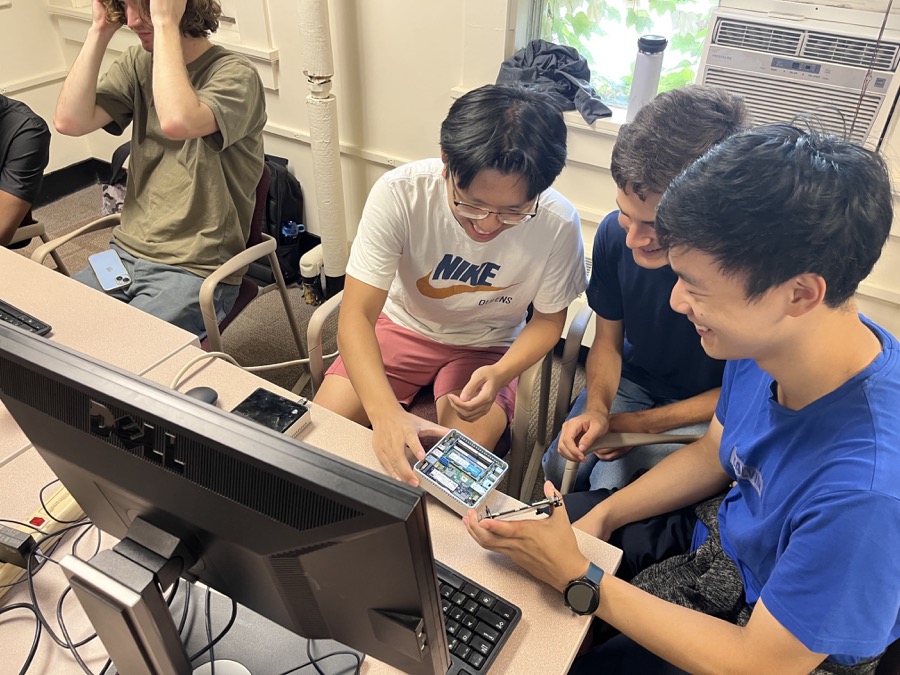
Cornell Computer Reuse
Refurbishing donated machines for communities that need them, with the Cornell Computer Reuse Association.
Languages · English and Indonesian, native · Chinese and Japanese, elementary